


Do It Yourself Data Recovery: Avoid Internet Remedies
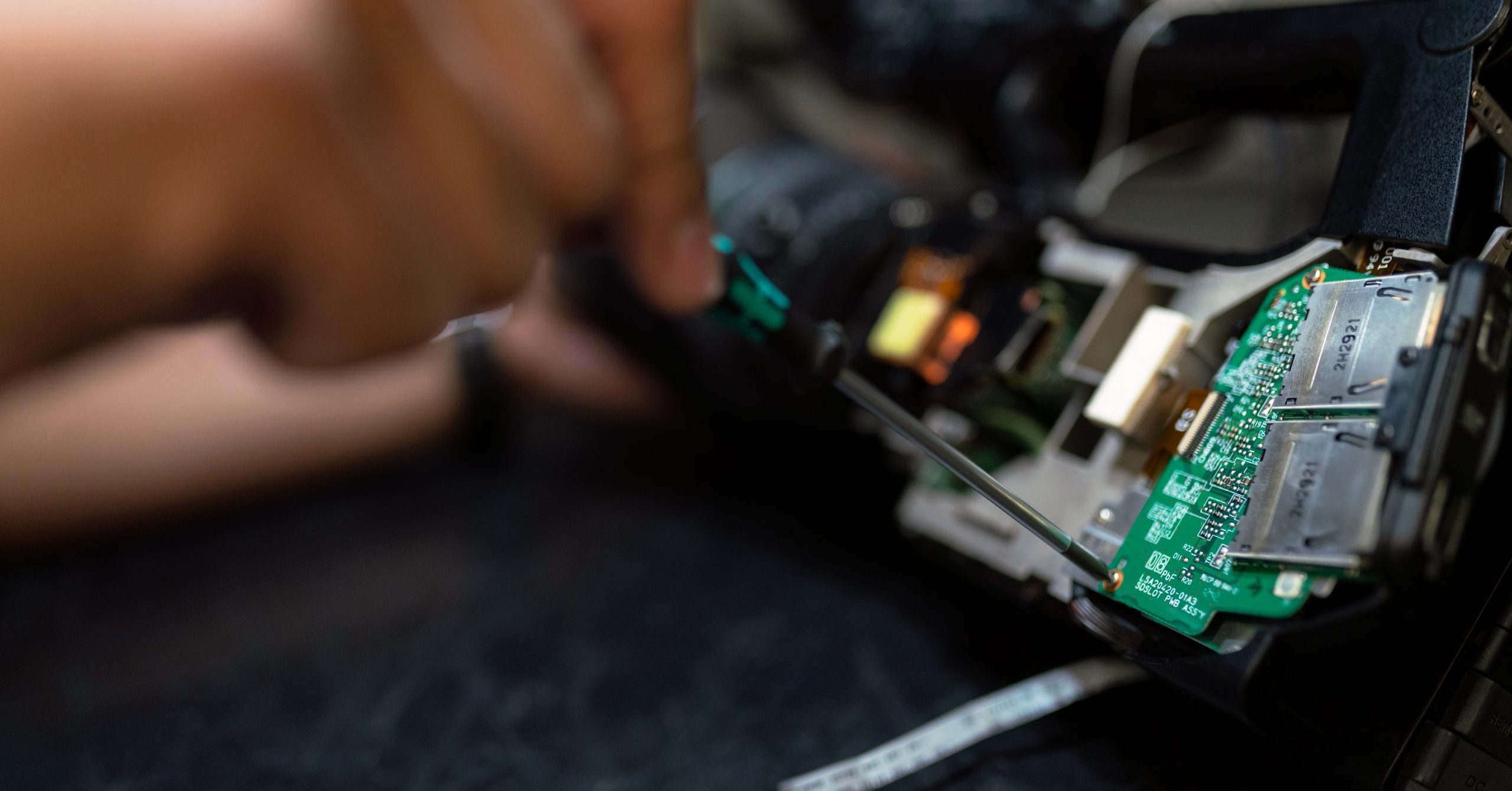
When it comes to do-it-yourself data recovery tips, the Internet is full of home remedies. Many of these “tricks” were written years ago and only apply to “ancient” storage technology. Using these methods can damage the drive or its data, making it unrecoverable.
Here’s a prime example of “myths” found on the web. A recovery method, once successful in the past, was the swapping of printed circuit boards (commonly referred to as PCBs). In some cases when a hard drive stopped working, it was possible to “borrow” a printed circuit board from an identical model drive and attach it to a bad drive to get it working temporarily and copy off the data.
With current hard drive technology, this technique could be disastrous. Older hard drives stored self-test data; bad sector tables (known as p-list and g-list) and other information on the disk platter. On newer drives, the PCB and HDA are paired together and are inseparable. One cannot be replaced without affecting the other component. If the PCB were “swapped”, the original defect lists would be lost, the drive would not function properly and the data would be corrupt due to the missing sectors.
In summary, if your customer’s data is critical to them or their business and it’s not backed up, don’t risk losing it forever with do-it-yourself recovery tricks found on the web. Call DriveSavers instead.

