Ir al contenido

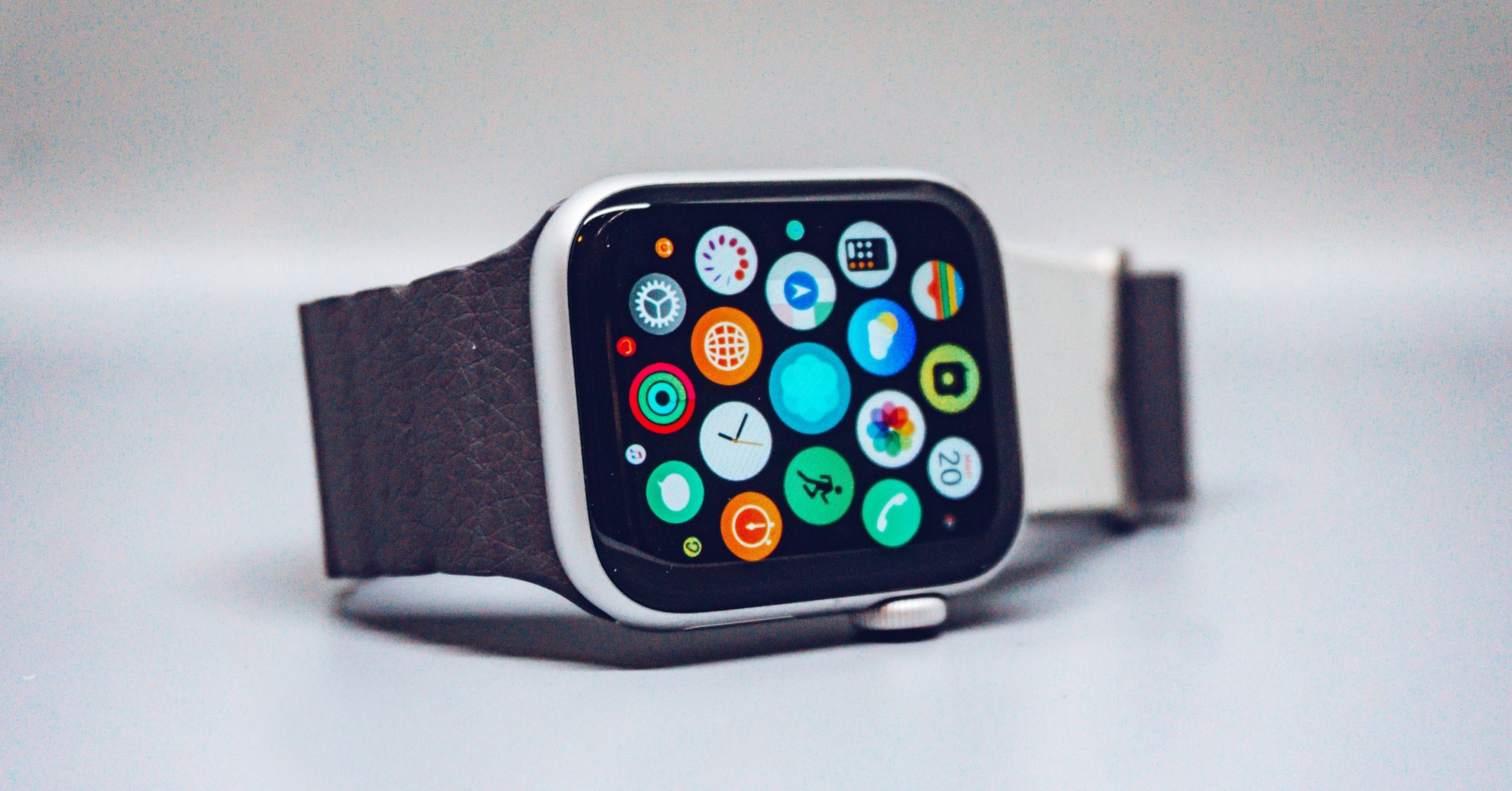
More Wearables Mean More Security Concerns

If you don’t have a computer on your wrist yet, get ready because your time is coming. And, you’d better be careful. The worldwide forecast for wearable technology sales is up 173 percent this year, according to a new report from International Data Corp. (IDC). IDC predicts 72.1 million units will…
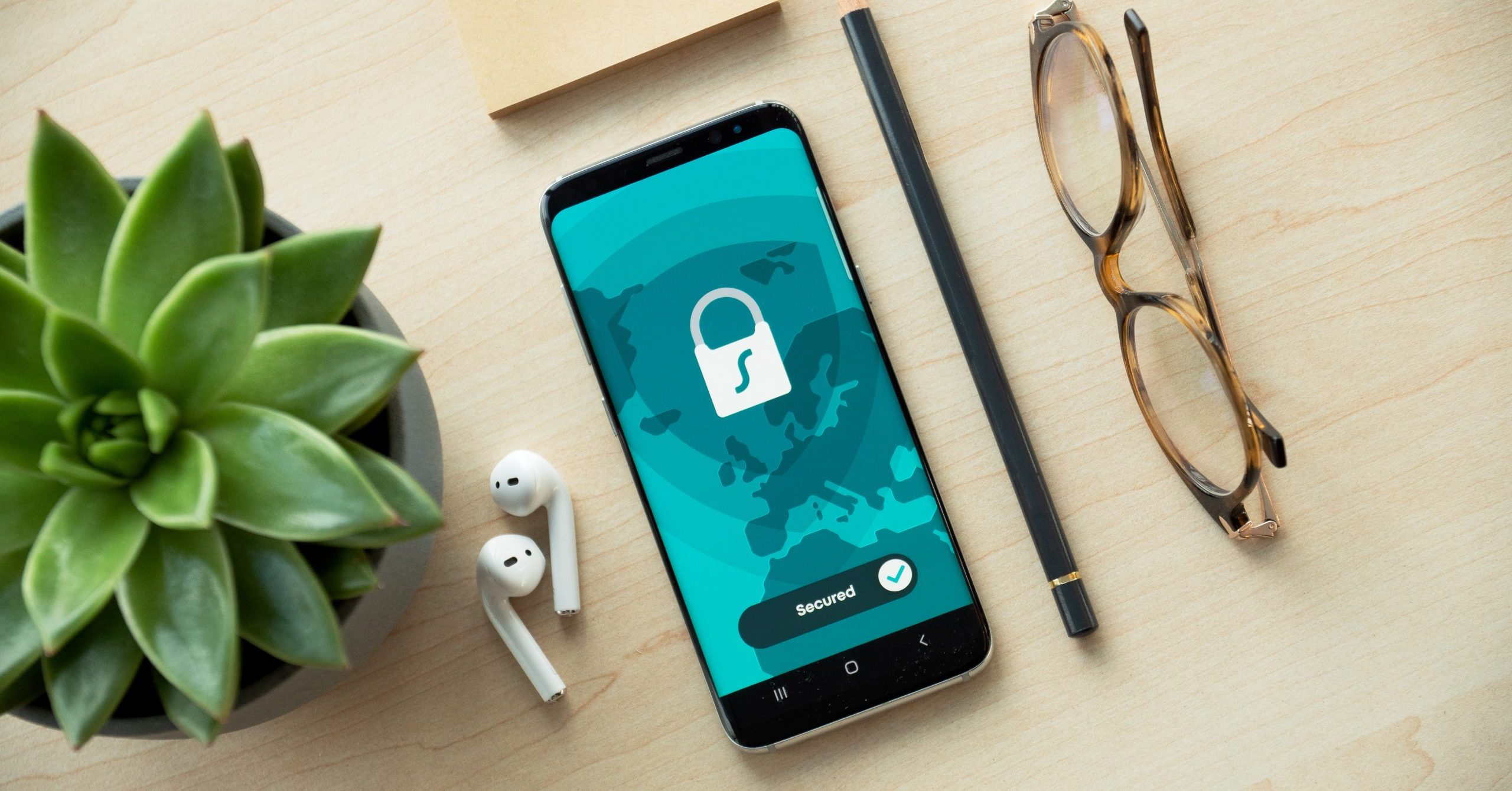
Protect Your Android Phone from App Attacks

If you use an Android phone, please take this advice­—now For your protection, never buy apps from any discount sellers and always use a malware or security scanner to weed out problems with software before an infection can occur, according to a new report from G Data Security Labs. For…

BYOeDD (Bring Your Own eDiscovery Disaster)

Originally published by Nuix. There are more active mobile devices in the world than human beings—and at least 3 billion of those devices are smartphones. The volume of data these devices generate daily is staggering. They have evolved from “dumb” phones into pocket computers and ultra-thin tablets that can access multiple…

What Happens to Data After Recovery?

In every successful data recovery, the recovered contents from the affected drive are copied onto another device, often a hard drive. A new flash drive is appropriate for customers with smaller amounts of recovered data. This “target drive” is what we send to the customer in order to return their…

Fitbits, Wearable Tech, and the Impending eDiscovery Deluge

Originally published by FindLaw. By Mark Wilson, Esq. The eDiscovery revolution begun in the late ’90s continues unabated, but wearable data-collecting devices like the Fitbit present a new and interesting problem for electronic discovery. Anything You Wear May Be Used Against You in a Court of Law You can probably imagine…

3 Mistakes Lawyers Make Responding to ESI Requests

Originally published by FindLaw. By Mark Wilson, Esq. Electronic discovery is the name of the game these days as more and more people and companies store their stuff in the form of bytes, not pages. That means that lawyers need to know how electronic discovery works (and in some places, that’s…

Back To Top
Buscar