
Data Safety Tips for the Wildfire Season
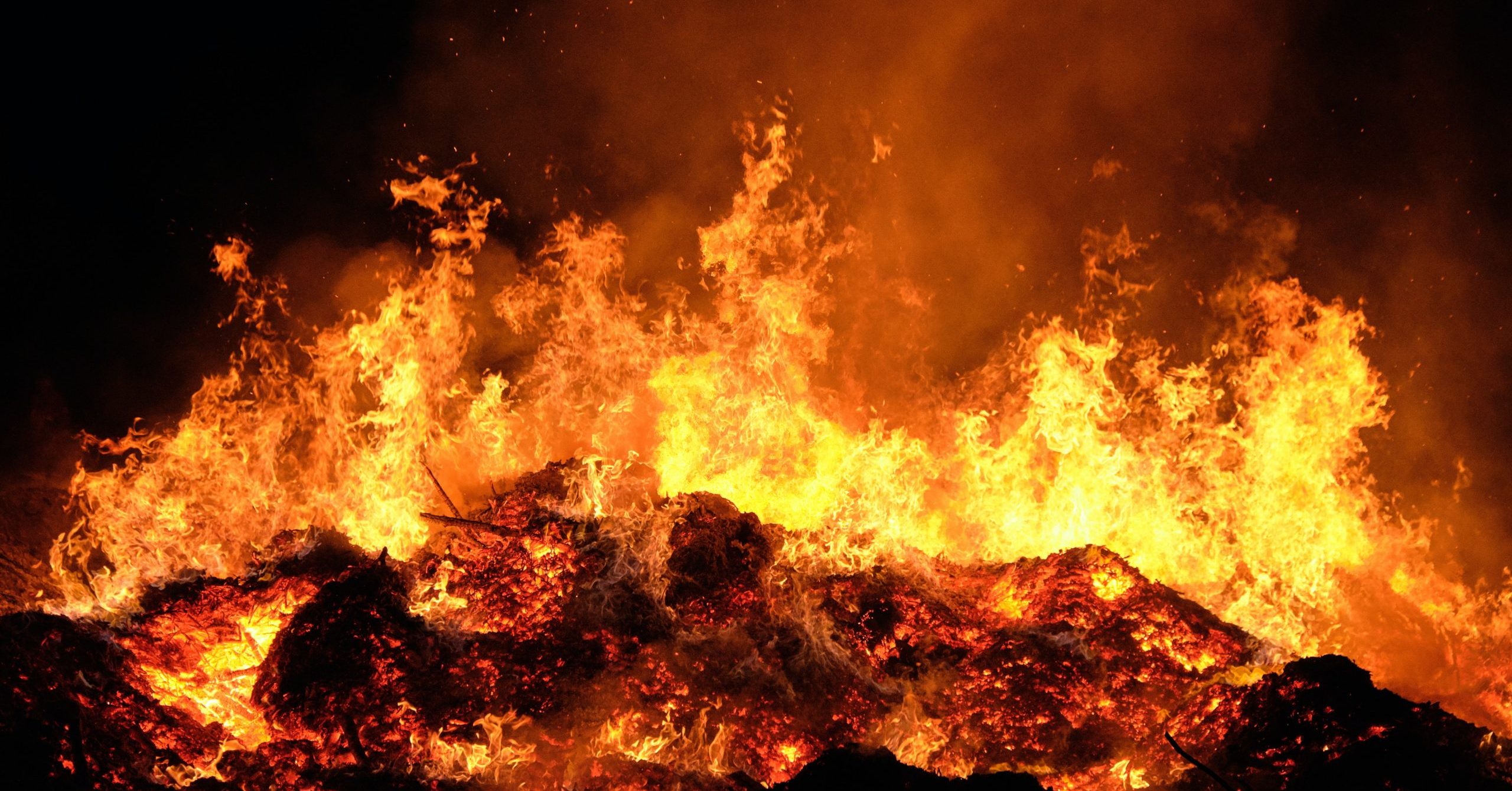
DriveSavers published a handful of articles from past fire seasons that remain relevant today.
Fire-damaged devices: recoverable or not?
The Northern California fires of 2017 taught us some lessons about the different effects that a wildfire has on data storage devices as opposed to the average house fire. Data recovery for these devices requires different techniques and, sometimes, a hard drive or other device that was in a wildfire is not recoverable at all.
This article explores the effects of different types of fire on data storage devices and shares some tell-tale signs that the data from a device may or may not be recoverable.
What to do with your fire-damaged device
Many customers don’t understand how much data can be recovered, even from a hard drive, that has been in a fire. Over the past thirty-fire years, DriveSavers has recovered data from thousands of fire-damaged devices. Each type of data storage device comes with its own challenges, but we can overcome most of them.
This article explains in depth what happens inside a data storage device when it is in a fire and what needs to be done in order to successfully recover data. Devices examined include solid state drives (SSD), smartphones, tablets, camera cards, SD and micro-SD cards.
One of the lucky ones
Mike Cobb, DriveSavers Director of Engineering, lost his home in the Sonoma County fire last October 2017. He uses personal tragedy to help explain why we should all be protecting our business and personal information from potential loss, and how to do just that.
Disaster preparedness data safety tips
Keeping your data safe and out of harm’s way can make all the difference when recovering from a disaster. Accounting and project files can get a business back up and running. Family photos and videos can help bring back laughter and a sense of normalcy at home.
This article is not specific to fire; however, it contains some great tips for general disaster preparedness and data protection.

 English (United States)
  English (Australia)
  French (France)
  English (UK)
  French (Canada)
  English (Canada)
  Spanish (Mexico)
  German
  Dutch
Dutch  Italian
  Finnish
  Polish
  Norwegian
  Swedish
  Danish
  Spanish (Spain)
  Chinese
  Japanese
  German (Austria)