
Skip to content

Petya/ExPetr was Data Killer, Not Ransomware

By Michael Hall, Chief Information Security Officer The malware attack that started in Eastern Europe in late June and quickly spread around the globe looks like it was not a ransom attack at all, but an all-out effort to destroy data, according to a security company that examined the program’s…
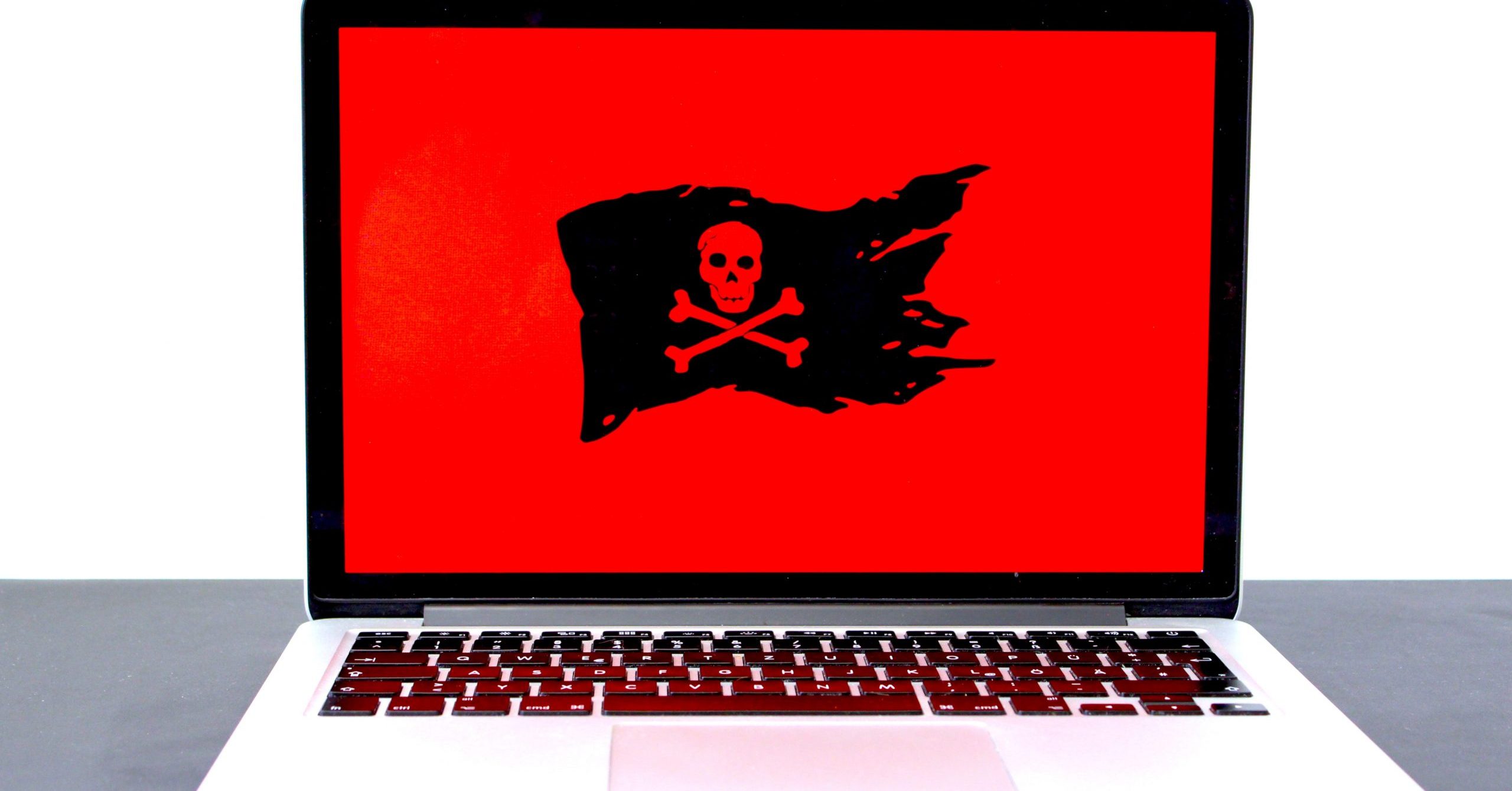
Ransomware Takes a New Turn—How WannaCry was Different

By Michael Hall, Chief Information Security Officer Last month, the ransomware known as WannaCry spread through the world at an astonishing rate, attacking hundreds of thousands of computers literally overnight and holding their data for ransom. In 2016, ransomware cost its victims approximately $1 billion. That’s $1 billion for all…

Digital Forensic Process—Preservation / Collection

By John Ahearne, Forensic Analyst This article is part of a series that delves into each step of the digital forensic process. If you missed one of the previous articles, you can read them at the links below: Digital Forensic Process—Introduction Digital Forensic Process—Identification Handling Digital Evidence Handling of evidence…

WannaCry Recovery Tips

By Mike Cobb, Director of Engineering Last month, the WannaCry/WannaCrypt ransomware tore through hundreds of thousands of computers overnight in a worldwide onslaught. If you are a victim, there is hope. Through in-depth study of the WannaCry ransomware, Kaspersky Labs has discovered that the code was poorly written and contains…

Hybrid Drive Technology: Pros and Cons

By Will DeLisi, NAND Flash Recovery Specialist What do you get when you combine a solid state drive with a traditional spinning hard drive? It’s a hybrid drive, which may very well be the best of both worlds. Solid state hybrid drives (SSHDs) combine a smaller, faster SSD with a…

Shopping For Data Recovery? Here’s What You Should Know

By Mike Cobb, Director of Engineering Odds are, at some point in your life, you will find yourself in the uncomfortable position of suffering a serious and unexpected data loss. A traditional hard drive, which is an electromechanical device, will eventually break down over time all on its own. Before…

Digital Forensics Process—Identification

  By Rene Novoa, Senior Manager of eDiscovery and Digital Forensics Identification is an extremely important first step in the forensic examination process. It directly impacts efforts to develop a plan of action and ultimately the success of the project. It also allows the customer to control cost. Identification Before…

RAID Server Spring Cleaning Tips

By Mike Cobb, DriveSavers Director of Engineering April is officially Spring Cleaning Month. Take some time to pay a little attention to your servers with some important maintenance. How many of these suggestions do YOU already follow? Is there anything you’ve missed? Back Up (obviously) We always recommend triple redundancy,…

Digital Forensic Process—Introduction

By Rene Novoa, Senior Manager of eDiscovery and Digital Forensics More and more aspects of our daily lives are being monitored, tracked and recorded by electronic devices. Today, computers, smartphones and tablets can be found in almost every home and have already become obvious sources of electronically stored information (ESI)…

Tips to Increase the Life of your Solid State Drive

By Mike Cobb, Director of Engineering Give it Some Space Filling your drive to capacity will likely cause performance to suffer. Fill to no more than 85% capacity and leave 15–25% empty. At least 15% free space is needed for disk caching and self-maintenance. The computer needs to use disk space…

Volver arriba
Buscar